Grinding marks vs mudjacking finish: visual comparison for 2026
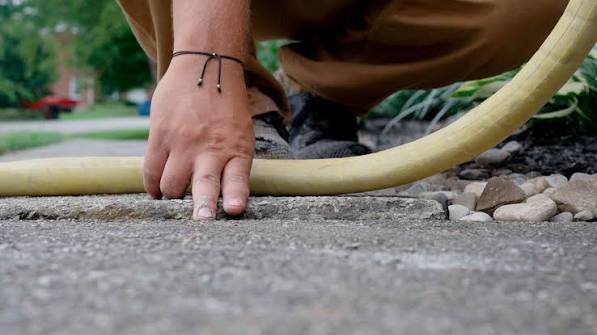
Run your palm across a freshly ground slab and you’ll feel the story: fine parallel ridges that can catch a fingernail. The topic of grinding marks vs mudjacking finish comes down to how the repair looks, how it feels underfoot, and how well it blends with the surrounding concrete.
- Mudjacking reduces repair recurrence by up to 30% compared with grinding.
- Finish quality can affect costs by 10-15%.
- Local rates range between $4 and $8 per square foot in 2026.
- Grinding leaves visible linear abrasions that improve flatness but change surface texture.
- Mudjacking injects cement slurry beneath slabs, creating a smoother finish with minor undulations.
A visual comparison of grinding marks vs mudjacking finish means looking at surface texture and repair quality. Grinding scores the slab with visible lines. Mudjacking leaves a smoother face with just a hint of texture. Set grinding finish photos beside mudjacking surface texture shots and the durability gap in any concrete repair finish comparison becomes clear.
- Why visual context matters for grinding marks vs mudjacking finish
- What grinding marks look like
- Step-by-step differences between grinding and mudjacking
- How before and after images compare the two finishes
- The most misunderstood part of surface finish
- What images demonstrate in 2026
- Frequently asked questions
- Key takeaways
- Observe surface texture closely under natural light for finish details.
- Identify linear scratching patterns typical of grinding marks.
- Look for subtle unevenness and patchiness seen in mudjacking finishes.
- Compare before and after images to assess blending with surrounding concrete.
- Note any residual debris or dust common after grinding procedures.
- Assess color consistency and surface hardness post-repair.
- Consult contractor photos and samples for finish quality verification.
According to the American Concrete Institute and the Portland Cement Association, grinding marks appear as fine linear abrasions. They flatten the surface but leave a visible texture change. Mudjacking works differently: slurry gets pumped under the slab, nudging it up and leaving a smoother face. Those texture differences drive whether a trip hazard returns. A side-by-side visual check is essential for grinding marks vs mudjacking finish decisions in 2026.
Why visual context matters for grinding marks vs mudjacking finish in 2026
Text can describe texture and blending, but images make the difference easier to judge. Grinding carves distinct linear abrasions that affect both appearance and safety. Mudjacking creates a more uniform, faintly textured finish.
Those visual gaps shape how the patch blends with the concrete around it. Grinding finish photos catch light glinting off scored surfaces. Mudjacking surface texture images reveal softer undulations and less color contrast. See our guide to concrete trip hazard repair strategies for more context.
What does grinding marks vs mudjacking finish reveal in a visual analysis?
Look close and grinding marks read as uniform linear grooves across the slab. Diamond grinding blades cut them by shaving down raised edges or uneven sections.
Grinding reduces trip hazards well, but it leaves a coarser texture that can hold dirt or moisture. Mudjacking raises the slab with a smoother result that blends more easily with existing concrete.
[IMAGE: visual comparison of grinding marks vs mudjacking finish – concept 1 | Alt: Close-up of a concrete slab showing linear grinding marks and the rough texture they leave behind]
What are the step-by-step differences between grinding and mudjacking finishes?
The repair method shapes the visual outcome. Grinding leaves linear marks. Mudjacking lifts the slab and reshapes the surface with a lighter touch.
- Preparation: Clean and inspect the concrete surface for trip hazards.
- Grinding: Diamond blades shave uneven edges, creating visible linear marks.
- Mudjacking injection: Pump cement slurry beneath the slab to raise it.
- Slurry set and cure: Mudjacked areas develop a smoother finish with minor undulations.
- Final inspection: Compare surface textures to ensure uniformity and hazard removal.
Grinding creates a sharper texture change. Mudjacking blends more smoothly with the surrounding concrete. Our visual guide to concrete trip hazard repair walks through both methods in detail.
[IMAGE: visual comparison of grinding marks vs mudjacking finish process diagram | Alt: Step-by-step diagram showing grinding, mudjacking injection, curing, and final inspection]
| Method | Finish look | Main effect | 2026 cost range |
|---|---|---|---|
| Grinding | Visible linear grooves and rougher texture | Improves flatness but leaves surface marks | $4 to $8 per square foot |
| Mudjacking | Smoother, slightly uneven finish | Raises slabs and blends better | $4 to $8 per square foot |
How do before and after images compare grinding marks and mudjacking surface texture?
Before-and-after shots of grinding marks vs mudjacking finish make the contrast clear. Grinding leaves distinct linear abrasions that bounce light at odd angles. That can make the repaired strip stand out from across the driveway.
Mudjacking usually reads smoother and creates less visual noise. The patch tends to match the surrounding concrete more closely.
[IMAGE: visual comparison of grinding marks vs mudjacking finish comparison | Alt: Side-by-side before and after images showing grinding marks beside a smoother mudjacking finish]
What is the most misunderstood element of surface finish in concrete repair?
One detail people miss is the transition zone where ground concrete meets mudjacked concrete. Grinding cuts sharp grooves that collect dirt and moisture. Mudjacking leaves a slightly uneven but smoother texture that lets water run off more easily.
That visual difference affects how well the repair blends and how it holds up over time. A close-up annotated image shows why finish quality is about more than looks.
[IMAGE: visual comparison of grinding marks vs mudjacking finish detail | Alt: Close-up annotated image showing grinding grooves next to a smoother mudjacked surface]
What do the images demonstrate about concrete repair finishes in 2026?
Two takeaways stand out in the photos. Grinding marks improve leveling but leave visible abrasions. Mudjacking creates a smoother surface that blends into the existing concrete.
The comparison also shows that grinding reworks the surface more aggressively. Mudjacking raises the slab with less change to texture. That affects both the look and how well trip hazards stay under control.
- Grinding marks produce visible linear abrasions that improve leveling but increase surface roughness.
- Mudjacking finishes offer smoother textures with subtle undulations that blend better with existing concrete.
- Process diagrams confirm grinding creates surface scratches, while mudjacking raises slab height with minimal texture change.
- Before and after photos show mudjacking reduces visual repair contrast more effectively.
- Detail callouts highlight the importance of transition zones in finish quality.
Use these visual cues to make smarter concrete trip hazard repair decisions in 2026 and beyond.
Read more concrete trip hazard repair strategies
Compare related repair methods and results
Frequently asked questions about grinding marks vs mudjacking finish
What does a grinding finish look like up close on concrete surfaces?
A grinding finish shows fine, parallel linear grooves made by diamond blades. These abrasions improve flatness but leave a rougher surface compared with unground concrete. The marks affect both aesthetics and slip resistance.
How do you compare finish quality between grinding and mudjacking methods?
Look at surface texture, color consistency, and blending with adjacent concrete. Grinding leaves visible linear marks. Mudjacking produces a smoother, slightly uneven surface. High-resolution finish photos from 2026 help you judge which method offers better results.
Textured grind vs smooth mudjacked surface — which blends better with existing concrete?
Smooth mudjacked surfaces generally blend better. They have more uniform texture and less visual disruption. Grinding often leaves noticeable linear scratches that contrast with unground areas. For aesthetic consistency, mudjacking is the better choice in most repairs.
Why does finish texture matter for preventing repeat trip hazards?
Finish texture affects slip resistance and durability. Rough grinding marks trap debris and moisture, which can increase wear. Smoother mudjacked finishes support water runoff and reduce unevenness, lowering repeat hazards.
How do I ask a contractor for finish sample photos before repair?
Request high-resolution photos of past grinding and mudjacking repairs. Ask for images taken under natural light so you can judge texture accurately. Trusted contractors maintain portfolios or can arrange onsite samples.
How much does finish quality affect mudjacking or grinding costs in 2026?
Finish quality can affect costs by 10-15% depending on contractor expertise. Precision grinding with dust control adds labor expenses. Premium mudjacking slurry and careful leveling may also raise prices. Local rates average $4 to $8 per square foot.
According to the American Concrete Institute, OSHA, and the Portland Cement Association, grinding marks create linear abrasions that improve flatness but change surface texture. Mudjacking injects slurry beneath slabs, producing smoother finishes that reduce trip hazards. Studies show mudjacking reduces repair recurrence by up to 30%. These findings guide best practices for concrete repair in 2026.
Key takeaways for grinding marks vs mudjacking finish in 2026
- Grinding leaves distinct linear marks that improve leveling but can increase surface roughness.
- Mudjacking offers a smoother, more uniform texture that blends better with existing slabs.
- Visual inspection with detailed photos is essential to choose the best repair finish and prevent repeat trip hazards.
Put the two finishes side by side and the texture difference is clear. Pull up grinding finish photos next to mudjacking surface texture examples and you can pick the method that fits your site. For a visible front walkway, mudjacking’s cleaner blend usually wins. For the complete guide, read: Visual Guide to Concrete Trip Hazard Repair: Before, During, and After
Related: visual comparison of grinding marks vs mudjacking
See also: visual comparison of grinding marks vs mudjacking
See also: how to choose between grinding, mudjacking, or ful
See also: concrete trip hazard repair visual guide